

August 6, 2025
SPAM
It has been estimated that 160 billion spam emails are sent every day, meaning the average user receives 1825 spam emails every year. Almost half of all email traffic is spam, and spam has been a significant portion of email since its inception. But to understand the origin of the practice and the name, we have to look at three different stories.
The story of spam begins in Austin, Minnesota, in 1937. That year, Hormel introduced the world to a new canned meat product primarily made from pork shoulder, which was a portion of the pig consumers didn't want to buy. The name of the product was the result of a contest, a portmanteau of the phrase "spiced ham": Spam. The product became popular during the Depression, and even more so in the following decade, when the US military needed better ways to store and ship food for its soldiers serving in World War II. By 1959, Hormel sold its one billionth can of Spam, and the product was available all around the world.
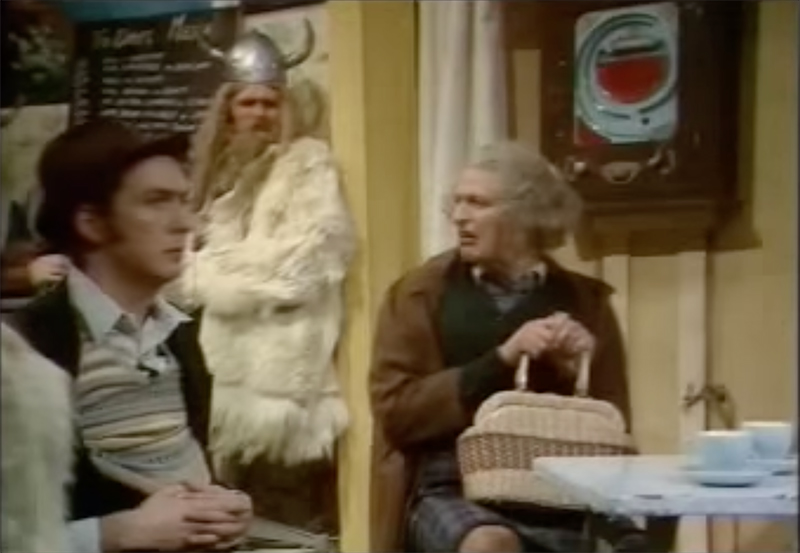
Drawing on the success and the ubiquity of Spam, the second story involves Monty Python's Flying Circus, who produced a skit in 1970 that featured the canned meat. In the skit, a couple enters a Viking restaurant where every dish features Spam, some of them with ten references to the product. When the wife screams in exasperation that she doesn't like Spam, the other restaurant patrons begin chanting "Spam" until their repeated noise drowns out all conversation.
With those two elements in place, the stage was set for the actual story of email spam. In the early 1980s, when the internet was in its infancy, chatrooms emerged where fans of role-playing games could connect, discuss shared interests, and play rudimentary text-based games. As pranks, users would occasionally program a flood of objects or text to frustrate their peers or crash their computers. One of the most popular texts to send repeatedly was the word "spam" from the Monty Python skit. Thus, the activity of inundating users with unwanted information was dubbed "spamming." In 1993, one of USENET's programmers accidentally posted the same message 200 times to a news group when he was trying to update the site code. Angry users lashed out, and the programmer apologized for the spam, marking the first time the term was used for such an information blitz.
But the true nature and mechanism of spam was spawned on April 12, 1994. On that day, two attorneys in Arizona, Laurence Canter and Martha Siegel, launched the world's first mass commercial spam campaign with the help of a rogue programmer. They posted to more than 5500 message boards on USENET with an advertisement that their firm could help immigrants acquire green cards. Their stunt crashed internet servers for multiple days and infuriated thousands of users, but the pair claimed to have generated over $100,000 in business. That one marketing scheme changed the internet, and the entire world, forever.
Almost immediately after the Green Card message, spam moved from USENET to email addresses. Internet users and tech companies employed various strategies to try to decrease the amount and effect of spam. In 2003, the Controlling the Assault of Non-Solicited Pornography And Marketing Act was passed by Congress, otherwise known as CAN-SPAM. The law required content, sending, and unsubscribe compliance, but had little effect on controlling or decreasing the amount of spam. By 2010, spam accounted for 90% of all email.
Hormel spent years fighting the negative use of their trademarked name "Spam" popularized by both Monty Python and email abusers, but to no avail. In 2005, Eric Idle combined the "Viking Spam Song" and Monty Python and the Holy Grail into a musical entitled Spamalot. In 2012, Hormel celebrated the 75th anniversary of Spam by embracing all things Monty Python and launching a new character: Sir Can-A-Lot. To date, Spamalot has grossed over $350 million. Hormel continues to sell over $11 billion of products every year. And email spam has been estimated to cost businesses over $20 billion every year.
SOURCES
- "30 Email Spam Statistics to Know in 2025" from AgainstData
- "Spam Is Turning 80" from Time
- "Origin of the Term 'Spam' to Mean Net Abuse" from Brad Templeton
- "History of Advertising: No 195: Canter and Siegel's Green Card Spam" from Campaign
- "Spam Hits Lowest Point Since 2008" from Scientific American
- "SPAM Brand Celebrates 75 Years with Introduction of Sir Can-A-Lot™ Spokescharacter" from Hormel
- "Tony-Winning Spamalot Ends Broadway Reign" from Playbill
- "Tour of Monty Python's Spamalot to Close in October" from Playbill
LISTEN

SUBSCRIBE


